Magic is usually something a fantasy character does.
They learn the right words. Draw the correct rune. Gather enough power. Wave a wand, lift a staff, wiggle their fingers dramatically, and hopefully something explodes in the intended direction.
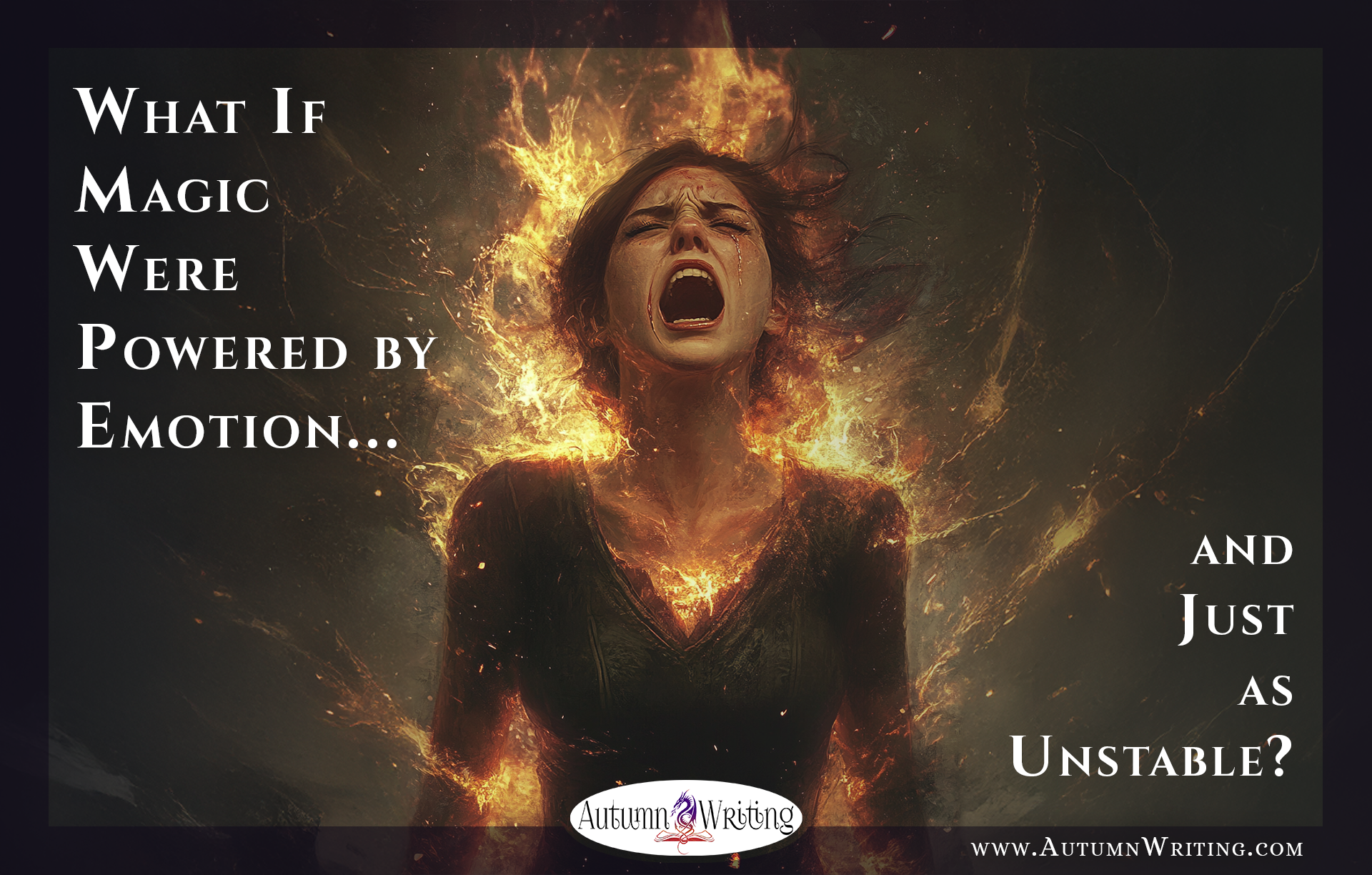
But what if magic didn’t begin with a spell? What if it began with how you feel?
That question lies at the heart of the magic in the Arcane Magic trilogy and the world of Ylécium, where emotion isn’t simply something a mage experiences.
It is power. And unfortunately for everyone involved, emotions aren’t particularly well known for being reasonable… or stable.
Six Emotions. Six Different Forms of Magic.
Emotional magic is built around six anchor emotions: Happiness. Sadness. Fear. Disgust. Anger. Surprise. Each emotion connects to a different expression of magic, and those abilities become increasingly powerful as a mage learns greater control.
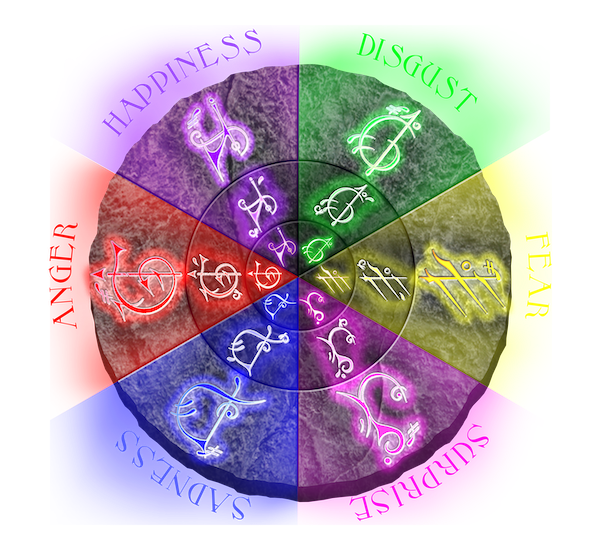
At the lowest levels, the effects can seem almost mundane. A mage drawing upon happiness might make someone more susceptible to suggestion by giving them the pleasant feeling that cooperation will bring a reward.
Sadness can bring overwhelming fatigue. Fear can inflict an anxiety attack. Disgust can cause immediate nausea. Anger can overwhelm someone’s self-control and turn aggravation into physical aggression. And surprise can trigger an instinctive reaction of jumping, yelling, screaming, or gasping.
Useful? Certainly. Ethically questionable? We can discuss that later.
Because these are only the beginning.
Magic Becomes More Dangerous as the Mage Becomes More Powerful
Emotional magic has three broad levels of ability.
Level One spells are within reach of novices. They manipulate emotions and their immediate physical or psychological consequences.
Level Two spells require the control of a trained mage. Here, the effects become substantially more powerful and complicated.
Fear, for example, can be turned inward. Rather than inflicting terror on someone else, a mage can use it to heighten their own senses, tense their muscles, increase their heart rate, and prepare their body to fight or escape.
Surprise can become a sudden burst of adrenaline and extraordinarily fast reflexes. Anger can send another person berserk. Sadness can create an illusion so convincing that someone believes they have lost a loved one and falls into complete depression.
Happiness becomes stranger still. An experienced mage can use it to Dream Walk, projecting their mind into distant places and exploring them in a dreamlike state.
Powerful magic, however, is not necessarily safe magic.
And then there are the Arch Mages.
When Emotion Starts Changing Reality
Level Three magic is extraordinarily powerful and reserved for Arch Mages.
At this level, the connection between an emotion and its magical effect becomes far more dramatic.
Happiness can heal. Wounds and broken bones can be repaired. Even illnesses of the mind can, at least temporarily, be relieved.
Anger becomes fire. Not metaphorical fire. Actual, combustible-materials-are-now-burning fire.
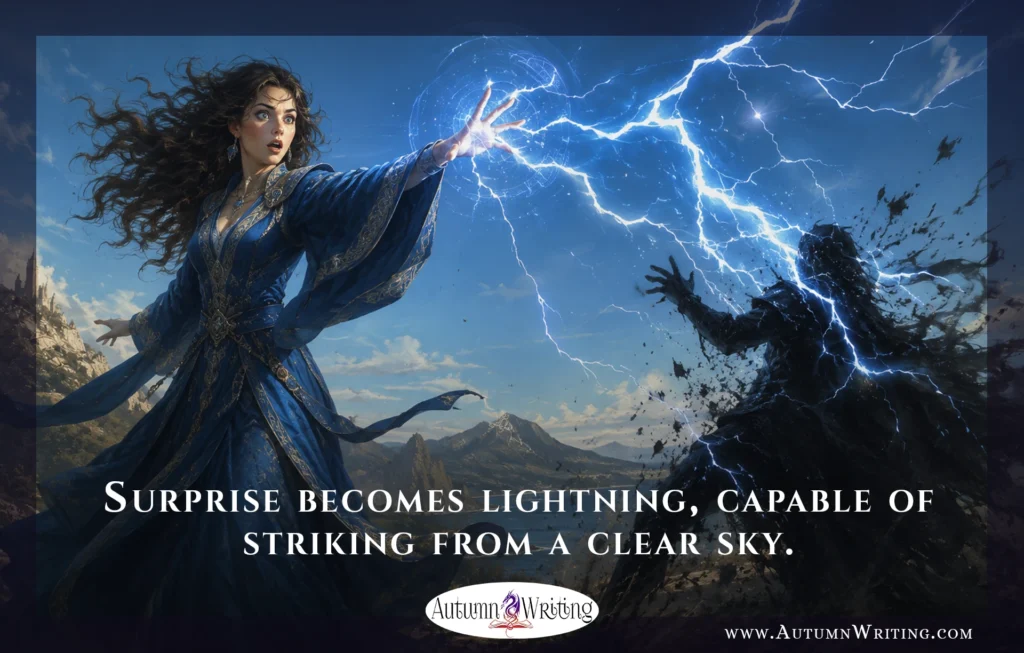
Surprise becomes lightning, capable of striking from a clear sky.
Fear can allow an Arch Mage to project their own deepest terror onto another person, while leaving the mage themselves in an unnatural state of clarity and calm.
And disgust… Well, disgust can make flesh begin to rot.
There are reasons people in Ylécium became nervous about Arcane Mages. Quite a few reasons, actually.
The Problem With Magic Powered by Emotion
There is a fundamental flaw in a magical system that depends upon emotion: people aren’t entirely in control of their emotions.
We get frightened. We lose our tempers. We grieve. We become overwhelmed. And sometimes we’re surprised by something extremely stupid.
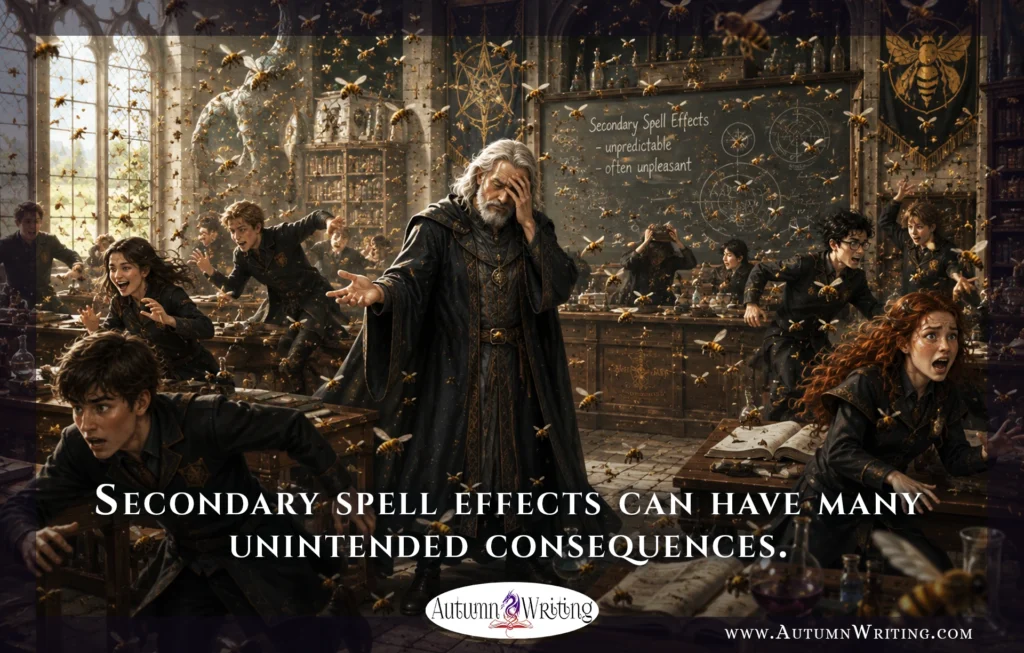
For an ordinary person, that might result in shouting something regrettable or dropping a cup of tea. For a Mage, things can become considerably more interesting. Magic can go wrong. And when it does, the results aren’t always predictable.
A failed spell might simply be delayed by ten seconds. Or the mage might suddenly start sneezing. Or become invisible. Or find themselves surrounded by ten white rabbits. Or discover that their clothes have inexplicably shrunk. Or be transported into the Rift for five seconds. Or accidentally summon a man-sized harp.
There are substantially worse possibilities. There are also bees. Magic has a sense of humor. Unfortunately, no one has established that it is a good sense of humor.
So Why Use Emotional Magic at All?
In Ylécium, the magic most people know is bound to six fundamental emotions: happiness, sadness, fear, disgust, anger, and surprise. Each opens the door to different abilities, from subtle manipulations of the mind to magic powerful enough to heal shattered bones, summon fire, or call lightning from a clear sky.
But emotion isn’t merely part of the spell. It is what gives the magic power. And every spell has a cost the mages of Ylécium don’t fully understand.
So why use it all? That’s the interesting question.
If magic is dangerous, unstable, emotionally demanding, and capable of producing unintended consequences, why would anyone risk using it?
Sometimes because they want power. Sometimes because they believe they can control it. Sometimes because they have no choice. And sometimes because the person they love is dying.
Which brings us to Raor Gaiallard.
Meet an Extremely Reluctant Former Mage
Raor would have been perfectly happy with a quiet life. Books, research, and a respectable academic career. Preferably very little world-saving.
Unfortunately, Raor was born with magic… a good dose of it.
By the beginning of Magic Unleashed, he wants very little to do with the magic he possesses. He has spent years studying the Rift, an impossible tear in reality connected to the very emotional forces that fuel Arcane magic.
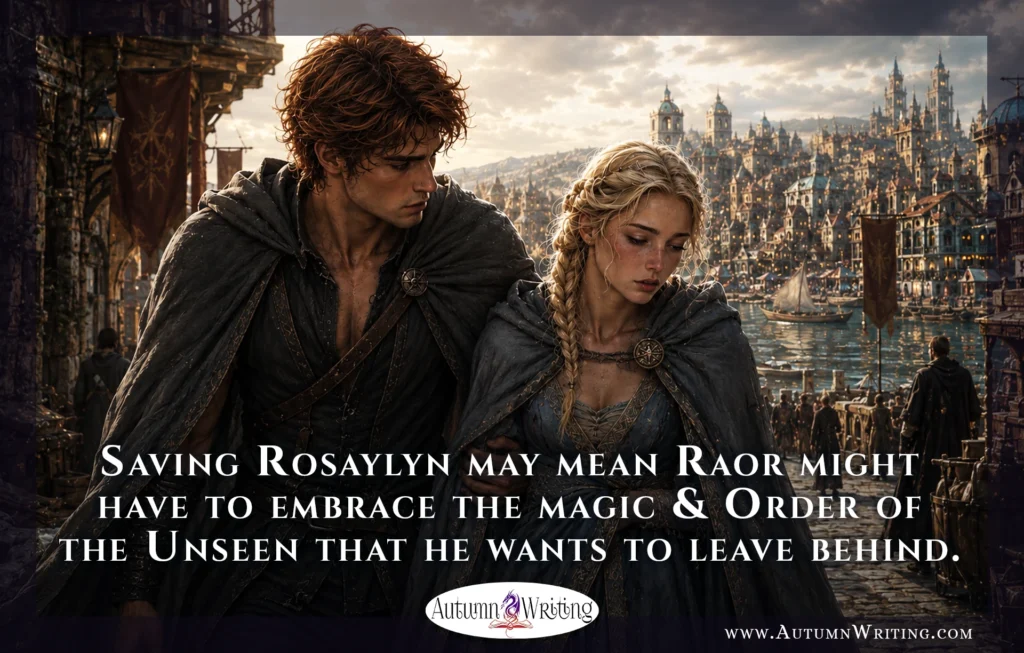
Then events rather rudely refuse to leave him alone. By Bane of Dark Gods, book 2, the stakes have become painfully personal. Rosaylyn, his best friend and someone he may love, is dying. And saving her may require Raor to reach for the very power he has spent years trying to leave behind.
Because dangerous magic looks rather different when not using it might cost someone you love.
Enter the World of Ylécium
The Arcane Magic trilogy is an epic fantasy filled with forbidden magic, ancient gods, assassins, dwarves, elves, stone trolls, questionable decisions, complicated friendships, and one extremely inconvenient tear in reality.
Start the journey with Magic Unleashed, Book One of the Arcane Magic trilogy.
And if you’ve already survived the Rift… Bane of Dark Gods, Book Two, is waiting.
Or pick up free prequels by joining our Reader’s Library!
Just try not to summon the bees.